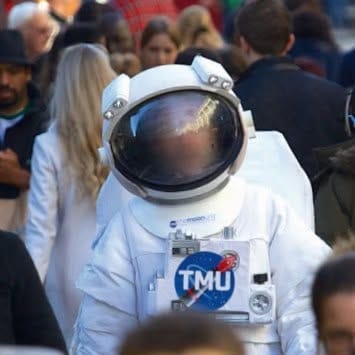
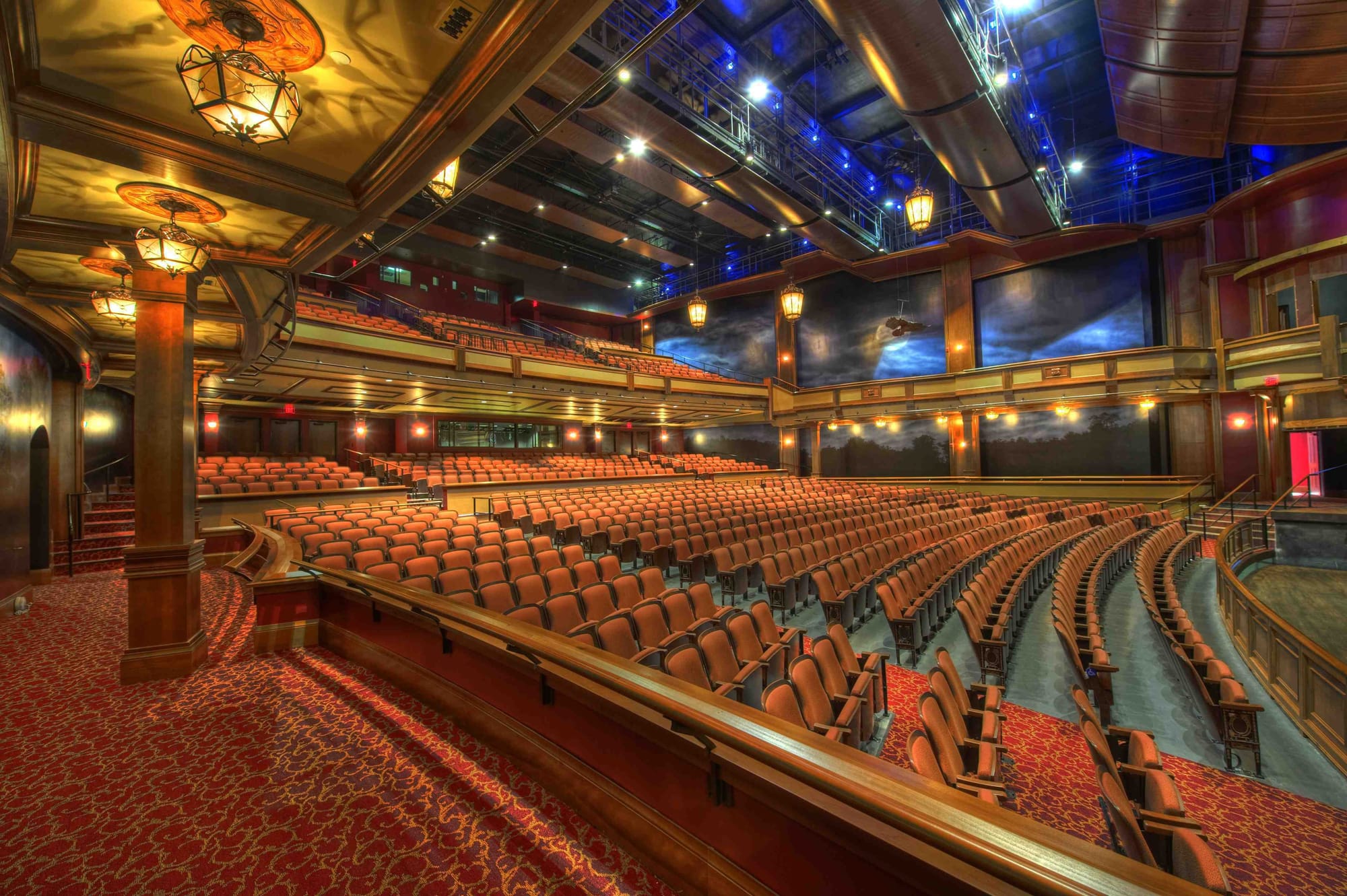
For the first time in history, filmmaking may be about to become a spectator sport...
Right now, the conversation around AI and filmmaking often gets trapped in a false choice. Traditional filmmaking or AI filmmaking. Human creativity or machine creativity. Old World or New World.
But storytelling has never really worked like that.
Historically, every major technological shift has expanded the creative landscape rather than replacing it. Photography didn't eliminate painting. Television didn't eliminate cinema. Streaming didn't eliminate television. New forms arrive. Old forms evolve. The ecosystem becomes richer.
This raises an interesting question: If a new generation of storytelling is emerging, where exactly does it gather?
The Cannes Film Festival has every right to define the boundaries of its own competition. It exists to celebrate a particular tradition of filmmaking and artistic authorship. At the same time, Cannes has already demonstrated an openness to experimentation through its immersive categories and emerging formats, but there’s also a growing continent of creators exploring something completely different.
Thousands of filmmakers, artists, designers, writers, technologists and curious amateurs are experimenting with new ways to create moving images. Some are working alone. Some are working in teams of three or four. Some are creating films that would have required entire studios just a few years ago.
The most interesting question now is: How small can a team become before quality breaks? That question sits at the heart of a new creative movement.
Imagine a global festival built around exploring it, a genuinely global gathering. A teenager in Brazil competes alongside a filmmaker in New Zealand. A designer in Prague competes alongside a storyteller in Nairobi.
The categories themselves could begin to look very different from traditional film festivals.
Best One-Person Studio could celebrate creators producing extraordinary work entirely alone.
The Five Person Film Award could recognise teams achieving remarkable quality with fewer people than a traditional production department.
Best Prompt Direction might acknowledge a new creative discipline where directing increasingly involves orchestrating systems, workflows and tools alongside actors and cameras.
The $1,000 Challenge could give every entrant exactly the same production budget, forcing imagination rather than resources to become the deciding factor. The point is creativity under constraint. Which was always where great storytelling lived, no?
The judging process could evolve too. Industry experts would still have a role, but so would audiences and perhaps even AI systems themselves.
Imagine viewers around the world watching shortlisted films online and voting in real time. The audience becomes part of the event rather than merely observing it. Winning films move instantly onto streaming platforms, creator channels, educational networks and dedicated festival hubs. The distance between creator and audience shrinks dramatically.
Then comes the Awards show. This is where things could become genuinely different. Imagine a globally livestreamed event across YouTube, Twitch, TikTok and LinkedIn. Imagine something which is part awards ceremony, part sporting event, part creative laboratory. Finalists receive a brief…. the clock starts…. the audience watches. Ideas become prompts. Prompts become scenes. Scenes become stories. Stories evolve in real time. A global audience votes live.
For the first time, filmmaking becomes something people don't simply watch after the fact.
They witness it being created - it becomes a spectator sport. And this may only be the beginning.
Maybe the long-term vision isn't really a film festival at all, it's a championship. A global proving ground for the next generation of storytellers. Imagine universities vs startups. Independent creators vs established studios. Country vs country. Different creative approaches competing side by side to discover what becomes possible when imagination is amplified.
Critics will inevitably dismiss some of this as hype, and that’s fully understandable. Every creative revolution arrives carrying a certain amount of hype, but in this case there’s more signal to noise ratio than most – we’re going through a genuinely important shift.
For the first time in history, a creator with modest resources can access capabilities that previously belonged exclusively to large organisations, which massively expands access to creativity, and perhaps that's what a festival like this would ultimately celebrate.
A celebration of people - those with the courage to experiment, those who apply critical thinking to new problems combining creativity, communication and collaboration in unexpected ways.
In other words, the very human qualities that have always driven great storytelling. The storytellers themselves, the Expert Dreamers, have already arrived. The tools are arriving rapidly behind them. The audience is waiting. The only thing missing is a place that feels designed for all three.
Perhaps the most important film festival of the future won't replace anything that already exists. It will simply give a home to an art form that has only just arrived.
Time will tell. The jury is still out on that one.